


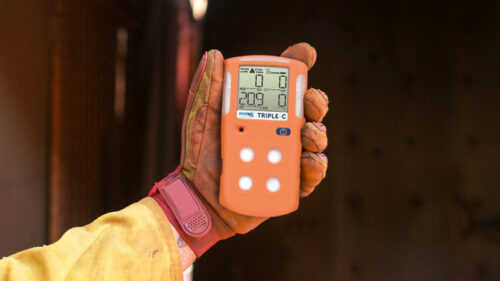
Safety is the backbone of every industrial operation, especially when dealing with gases that can be toxic, flammable, or asphyxiating. Whether in manufacturing, chemical plants, laboratories, or refineries, undetected gas leaks can lead to catastrophic accidents. That’s why having a Gas Detector is not just a regulatory requirement — it’s a life-saving necessity.
What is a Gas Detector?
A Gas Detector is a safety device that continuously monitors the presence and concentration of gases in the environment. It identifies hazardous levels of toxic gases, flammable gases, or oxygen depletion in the air.
When dangerous gas levels are detected, the device triggers audible, visual, or digital alarms, prompting immediate action to protect people, property, and equipment.
Gas detectors are commonly used across industrial, commercial, and residential settings, ensuring a safe and controlled atmosphere.
How Does a Gas Detector Work?
Gas detectors operate using advanced sensors that identify and measure gas concentrations in the air. These sensors convert chemical or physical interactions with gas molecules into electrical signals, which the detector processes and displays as readings.
The device can then alert operators through buzzers, sirens, indicator lights, or system alerts if the detected gas level crosses the pre-set safety threshold.
Types of Gas Detectors
There are several types of gas detectors, each designed for specific gases and applications. Understanding them helps in choosing the right one for your workplace.
1. Catalytic Bead Sensor
Used mainly for detecting combustible gases such as methane, propane, and hydrogen. The sensor measures heat changes caused by gas oxidation on a catalytic surface.
2. Infrared (IR) Gas Detector
Detects gases like carbon dioxide and hydrocarbons by measuring how gas molecules absorb infrared light. Ideal for environments where oxygen is limited or unstable.
3. Electrochemical Gas Detector
Commonly used for toxic gases (e.g., carbon monoxide, chlorine, hydrogen sulfide). These detectors produce an electrical current when the gas reacts with electrodes in an electrolyte solution.
4. Semiconductor Sensor
Uses a metal oxide surface to detect gases through resistance changes. Often used for general-purpose air quality monitoring.
5. Photoionization Detector (PID)
Detects volatile organic compounds (VOCs) and other hazardous gases by ionizing molecules with UV light. Common in environmental and chemical applications.
Fixed vs. Portable Gas Detectors
Depending on the application, gas detectors are available in two main configurations — fixed and portable.
Fixed Gas Detectors
- Permanently installed in specific areas like production lines, laboratories, or confined spaces.
- Provide continuous 24/7 monitoring of gas levels.
- Can be integrated with control panels and alarm systems for real-time alerts.
- Ideal for large industrial facilities, plants, and refineries.
Portable Gas Detectors
- Compact, battery-powered devices designed for personal safety.
- Commonly used by field workers, maintenance staff, and safety inspectors.
- Detect gas levels on the go and trigger alarms when thresholds are breached.
Both types play crucial roles — fixed detectors provide broad-area coverage, while portable units offer mobility and personal protection.
Common Gases Detected
A modern gas detector can identify a wide range of gases depending on the sensor configuration:
| Gas Type | Example Gases | Detection Purpose |
|---|---|---|
| Combustible Gases | Methane (CH₄), Propane (C₃H₈), Hydrogen (H₂) | Prevent explosions and fires |
| Toxic Gases | Carbon Monoxide (CO), Hydrogen Sulfide (H₂S), Chlorine (Cl₂) | Prevent poisoning and exposure |
| Oxygen Monitoring | O₂ | Ensure safe breathing levels |
| VOC Detection | Benzene, Ethanol, Acetone | Monitor chemical vapor emissions |
Applications of Gas Detectors
Gas detectors are essential across a wide range of industries and applications.
1. Oil & Gas Industry
Used to detect leaks in pipelines, storage tanks, and refineries. Ensures worker safety and prevents explosions caused by combustible gases.
2. Chemical and Petrochemical Plants
Monitor the presence of toxic gases and prevent accidental exposure during production or maintenance.
3. Manufacturing Facilities
Ensures safe working conditions in areas involving solvents, paints, and gases used in production.
4. Mining and Tunneling
Used to detect methane and carbon monoxide underground to prevent fires and explosions.
5. Wastewater Treatment Plants
Monitor gases like hydrogen sulfide and methane generated during treatment processes.
6. Laboratories and Clean Rooms
Maintain air quality by detecting chemical vapors and ensuring compliance with safety regulations.
7. HVAC and Building Safety
Gas detectors integrated into ventilation systems help prevent leaks from boilers, heating systems, or stored gas cylinders.
Benefits of Using Gas Detectors
1. Enhanced Safety
Early detection of gas leaks prevents accidents, ensuring the safety of workers and property.
2. Regulatory Compliance
Meets industry safety standards and environmental regulations.
3. Cost Savings
Prevents equipment damage, downtime, and costly repairs by detecting leaks early.
4. Real-Time Monitoring
Many modern detectors connect to monitoring systems that provide continuous updates and automatic alerts.
5. Easy Integration
Compatible with automation systems, fire alarms, and building management networks.
6. Data Logging
Advanced models store historical data for reporting, analysis, and compliance audits.
Choosing the Right Gas Detector
Selecting the appropriate gas detector depends on your environment, the gases present, and operational requirements. Consider the following factors:
- Type of Gas to Detect – Choose sensors specific to your gas hazards.
- Area of Application – Fixed for stationary monitoring; portable for mobile inspections.
- Environmental Conditions – Temperature, humidity, and dust can affect performance.
- Power Source – Battery-operated for portable use or wired for permanent installations.
- Alarm System – Ensure loud, visible, and reliable alarms for instant awareness.
- Connectivity Options – Look for digital interfaces like Modbus, 4–20mA, or wireless systems.
Maintenance and Calibration
To ensure accurate readings, regular maintenance and calibration are vital.
Here’s how to keep your gas detector in optimal condition:
- Calibration: Perform periodic calibration using certified gas mixtures.
- Sensor Replacement: Replace sensors based on manufacturer recommendations.
- Visual Inspection: Check for damage, dust, or corrosion.
- Functional Testing: Regularly test alarms, lights, and display systems.
- Record Keeping: Maintain inspection and calibration logs for safety audits.
A well-maintained gas detector is the difference between a near miss and a disaster.
Modern Innovations in Gas Detection
With technological advancements, gas detectors are becoming smarter, faster, and more reliable. Modern innovations include:
- Wireless Gas Detectors with cloud connectivity
- Multi-Gas Detection Systems for simultaneous monitoring of multiple gases
- AI-Powered Predictive Analysis to identify potential hazards before they occur
- Explosion-Proof Enclosures for high-risk environments
- Compact and Lightweight Designs for portable convenience
These advancements make it easier to ensure safety in even the most complex and hazardous environments.
Why Gas Detection is Crucial
Gas leaks often go unnoticed until it’s too late. Many hazardous gases are colorless, odorless, and tasteless, posing silent threats. Exposure can result in:
- Respiratory distress or poisoning
- Explosions or fires due to combustible gases
- Suffocation due to oxygen deficiency
A properly installed and maintained gas detection system provides peace of mind by continuously monitoring for invisible dangers.
Conclusion
A Gas Detector is not just a device — it’s your first line of defense against unseen threats. Whether in industrial plants, laboratories, or commercial spaces, it ensures a safe environment by continuously monitoring and alerting you to hazardous gases.
Investing in high-quality gas detectors means protecting lives, property, and productivity. With advanced technologies and smart monitoring systems, today’s gas detectors make safety smarter, faster, and more reliable than ever before.