


In today’s fast-paced industrial world, precision and accuracy are vital when it comes to equipment maintenance and inspection. Whether you’re in aviation, manufacturing, automotive, or oil & gas industries, getting a clear internal view of machinery and components without disassembly can save enormous time and cost. This is where a Video Borescope becomes an indispensable tool.
What is a Video Borescope?
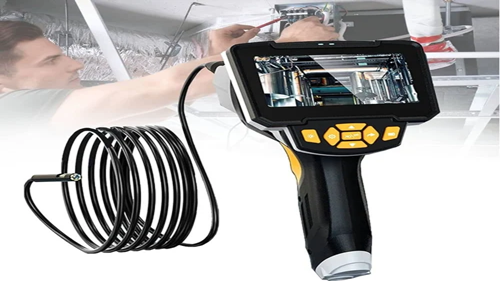
A Video Borescope, also known as a video inspection camera or industrial endoscope, is a high-tech optical inspection device used to visually inspect areas that are otherwise inaccessible. It consists of a flexible or rigid insertion tube with a miniature camera and LED light source at its tip. The live video feed is displayed on a handheld monitor or screen, allowing technicians to inspect internal components in real time.
Unlike traditional inspection methods that require dismantling machinery, a video borescope allows for non-destructive testing (NDT) — making inspections faster, safer, and more efficient.
Key Components of a Video Borescope
Understanding the components of a video borescope helps you grasp how it works and why it’s so efficient.
1. Insertion Tube
This is the flexible or semi-rigid cable that reaches into tight or confined spaces. It comes in various lengths and diameters to suit different inspection needs. The tube is often resistant to oil, water, and chemicals.
2. Camera Sensor
The miniature camera at the tip captures high-resolution images and videos of the inspection area. Modern borescopes use CMOS or CCD sensors that deliver crisp visuals even in low light conditions.
3. LED Illumination
Built-in adjustable LED lights provide illumination in dark or enclosed areas, ensuring clear visuals.
4. Display Monitor
The connected monitor shows real-time visuals from the camera. Many video borescopes now feature HD color screens, touchscreen functionality, and recording capabilities.
5. Articulation System
Advanced borescopes come with a two-way or four-way articulation feature that allows the camera head to bend and navigate complex internal geometries.
How Does a Video Borescope Work?
The working principle of a video borescope is simple yet highly effective:
- The operator inserts the probe into the inspection area (for example, inside an engine, pipe, turbine, or gear system).
- The camera transmits live visuals to the connected screen.
- The built-in LED lights illuminate dark zones.
- The operator can adjust focus, rotate the probe, or bend the tip for a detailed inspection.
- Captured images and videos can be saved for reporting, analysis, and documentation.
This ability to see inside confined areas without dismantling saves considerable effort, especially in industries where downtime equals loss.
Types of Video Borescopes
Video borescopes come in several designs to suit specific inspection needs.
1. Rigid Borescope
Used for inspecting straight areas like engine cylinders or gun barrels. It provides a crystal-clear image but lacks flexibility.
2. Flexible Borescope
Equipped with a bendable insertion tube, this type can navigate curved or complex paths — perfect for aircraft engines, pipelines, and mechanical assemblies.
3. Articulating Video Borescope
These feature a movable camera tip that can articulate up to 360°, allowing operators to change the viewing direction remotely.
4. Wireless or Portable Borescope
Compact models with wireless connectivity, ideal for field inspections or maintenance teams on the move.
Applications of Video Borescope Across Industries
Video borescopes are used across numerous industries for preventive maintenance, inspection, and troubleshooting. Let’s explore some major applications:
1. Aerospace Industry
Aircraft engines, turbines, and fuel systems require frequent internal inspections. Video borescopes help engineers detect cracks, corrosion, or blockages without dismantling components.
2. Automotive Industry
Used to inspect engines, cylinders, fuel injectors, and exhaust systems. This ensures quality control and helps mechanics identify problems early.
3. Oil & Gas Sector
Pipelines, heat exchangers, and pressure vessels are prone to internal corrosion and blockages. Video borescopes provide real-time visual feedback, enhancing maintenance safety.
4. Power Generation
In turbines, generators, and boilers, a video borescope helps in preventive inspection, reducing unexpected breakdowns and extending equipment lifespan.
5. Manufacturing and Quality Control
Ideal for inspecting welded joints, castings, and assembly lines to ensure products meet required standards.
6. Building and Plumbing Inspection
Used to inspect HVAC ducts, walls, drains, and pipelines for leaks, blockages, or structural damage.
Advantages of Using a Video Borescope
1. Non-Destructive Testing (NDT)
There’s no need to dismantle machinery or disrupt production. You can inspect internal parts without causing damage.
2. Time and Cost Efficiency
Reduces downtime, labor hours, and overall maintenance costs.
3. Real-Time Visuals
Provides immediate insight into internal conditions with high-resolution video.
4. Improved Safety
Allows inspection of dangerous or inaccessible areas without exposing personnel to risk.
5. Digital Recording and Reporting
Captured data can be stored, analyzed, and shared for maintenance planning and audits.
How to Choose the Right Video Borescope
When selecting a video borescope, consider the following factors:
1. Insertion Tube Length and Diameter
Choose based on the accessibility and size of the inspection area.
2. Image Resolution
Higher resolution cameras provide better clarity and help identify smaller defects.
3. Lighting
Adjustable LED brightness is crucial for dark or reflective surfaces.
4. Articulation
For complex inspections, choose a borescope with 2-way or 4-way articulation.
5. Durability
Ensure the probe is waterproof, oil-resistant, and built to handle industrial environments.
6. Data Storage and Connectivity
Modern borescopes support USB, SD card, and Wi-Fi connectivity for data sharing.
7. Portability
Lightweight and ergonomic designs improve comfort during long inspection sessions.
Maintenance Tips for Your Video Borescope
To extend the life and performance of your device, follow these maintenance practices:
- Clean the probe and lens after every use with a soft cloth and approved cleaning solution.
- Avoid bending the flexible tube beyond its recommended radius.
- Store the device in its protective case.
- Regularly calibrate and test the equipment for optimal performance.
- Keep firmware and software updated if your model supports it.
Future of Video Borescope Technology
The inspection industry continues to evolve with the integration of AI, 3D imaging, and wireless technology. Next-generation video borescopes feature:
- AI-based defect recognition for faster diagnostics
- 360° 3D imaging for enhanced visualization
- Cloud connectivity for remote monitoring and data sharing
- Miniaturized probes for ultra-fine inspection
These innovations are making inspections smarter, faster, and more reliable than ever before.
Conclusion
A Video Borescope is no longer a luxury — it’s a necessity for industries that demand precision and safety. Its ability to see beyond the surface empowers engineers and technicians to detect issues early, reduce downtime, and maintain operational efficiency. Whether inspecting jet engines, pipelines, or manufacturing assemblies, a video borescope ensures that nothing remains hidden.
Investing in the right borescope means investing in safety, productivity, and long-term reliability.